
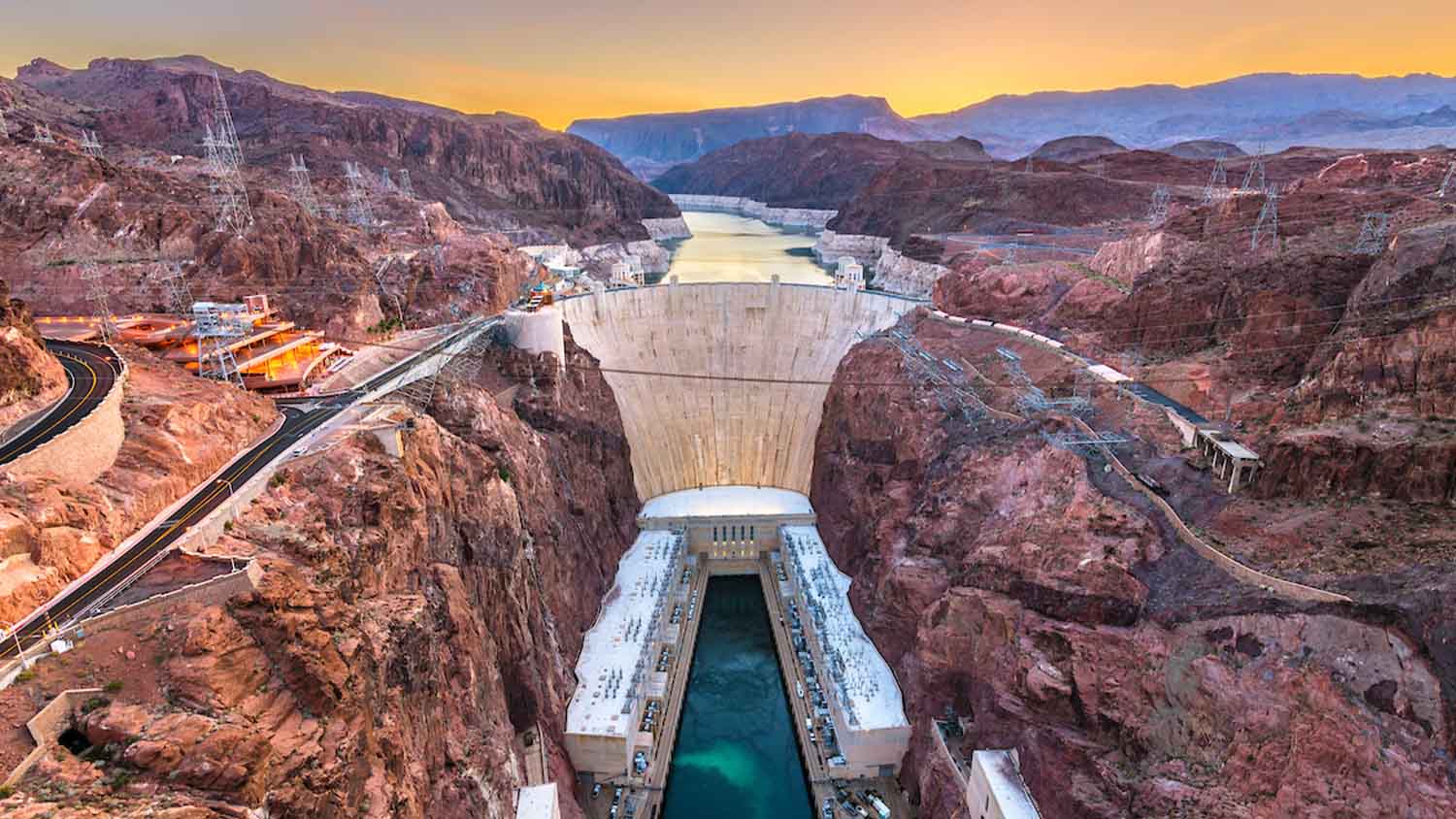
An immersive exploration of how dramatically resource management policies can differ across the United States.
Shaped by vast differences in geography and climate, environmental challenges rarely have one‑size‑fits‑all solutions. Las Vegas, Nevada stands in stark contrast to Burlington, Vermont, and the broader New England region—yet all operate under the same federal policy framework.
Through this trip, students will see these contrasts firsthand, gaining a deeper understanding of the wide range of policies that exist nationwide and why effective governance requires flexibility and regional awareness. The course highlights how federal, state, and local policies intersect, complement one another, and sometimes operate independently.
While many students encounter policy differences through international travel, this experience turns the focus inward, revealing the impressive diversity of governance within the U.S. Students will examine how environmental priorities, stewardship practices, and public expectations differ across regions—and why those differences matter for shaping responsive and effective policy.
Dates: January 4 – 13, 2027
POLS 2990 -or- ENVS 2990, 3 credits
Program Fee: $4,582
Included in the Program Fee:
- 9 hotel nights
- Ground transportation in Las Vegas and to all attractions and activities
- Activity admission fees
- 24/7 emergency support
- Breakfasts and 2 group dinners
Application Deadline: Passed
Itinerary Highlights
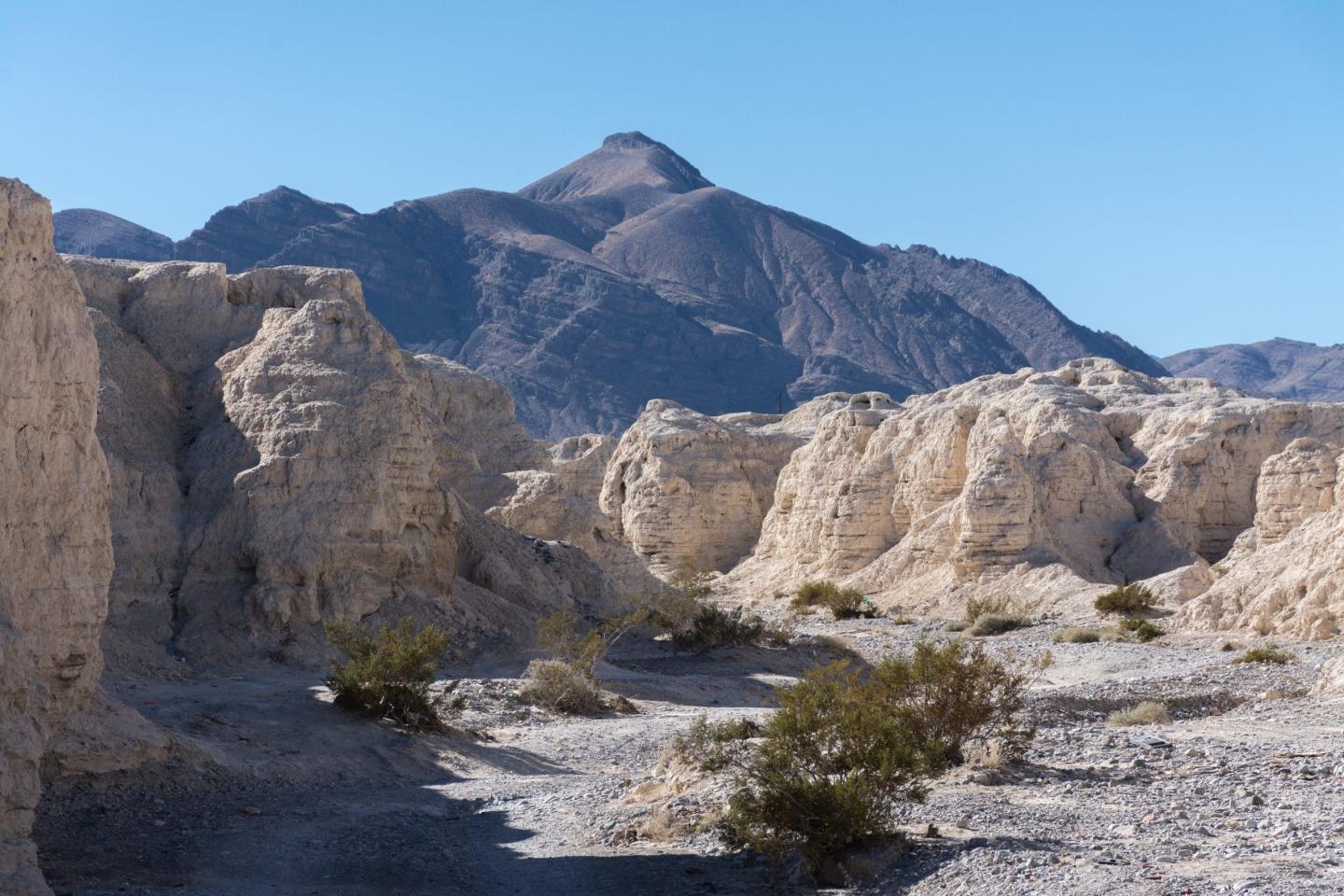
Tule Springs Fossil Beds National Monument
Study how groundwater-dependent landscapes have evolved under dramatic climate shifts.
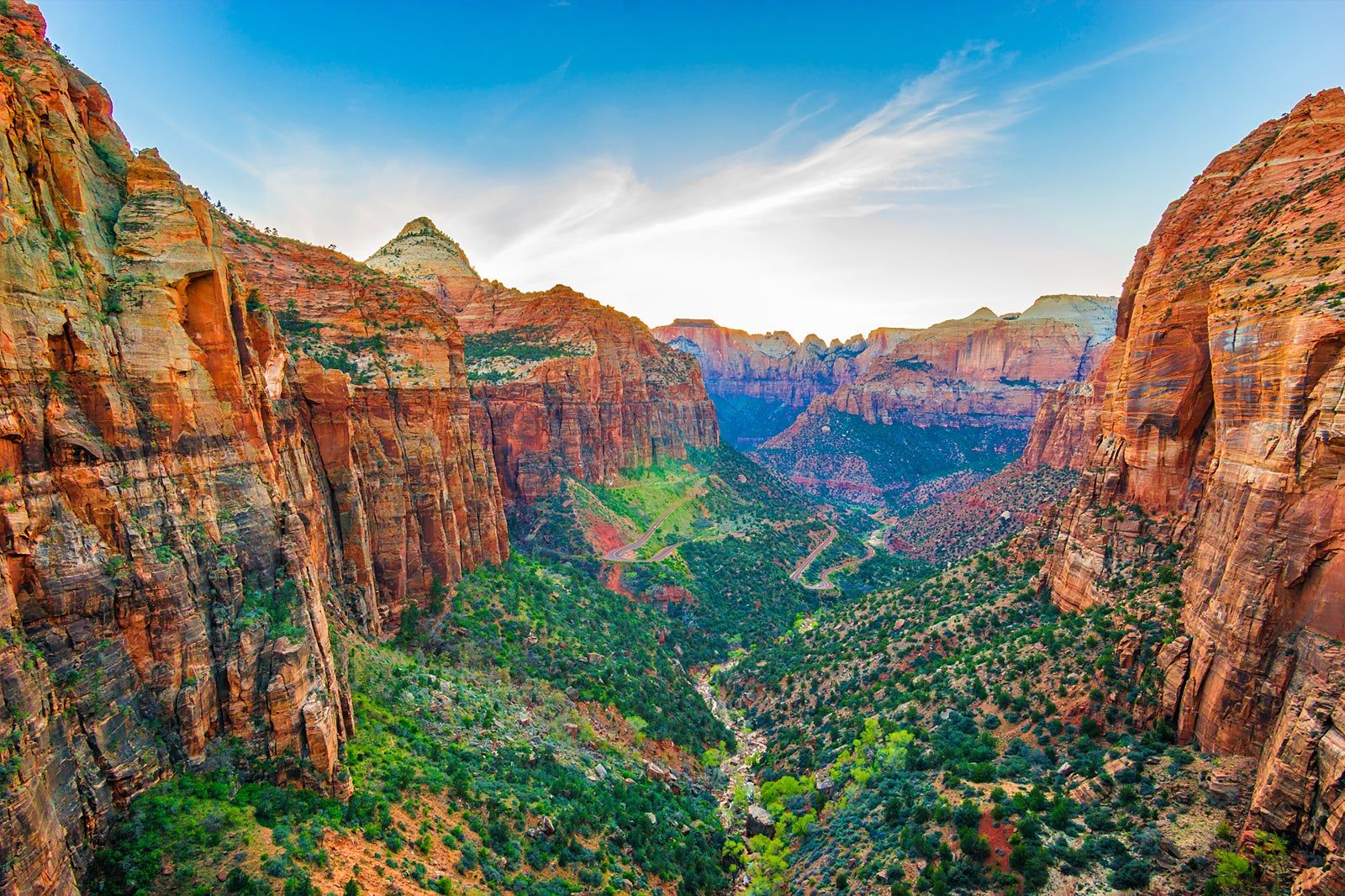
Zion National Park
Discover how the Virgin River has carved into sandstone and see how water availability, erosion, and watershed dynamics shape arid‑region landscapes.
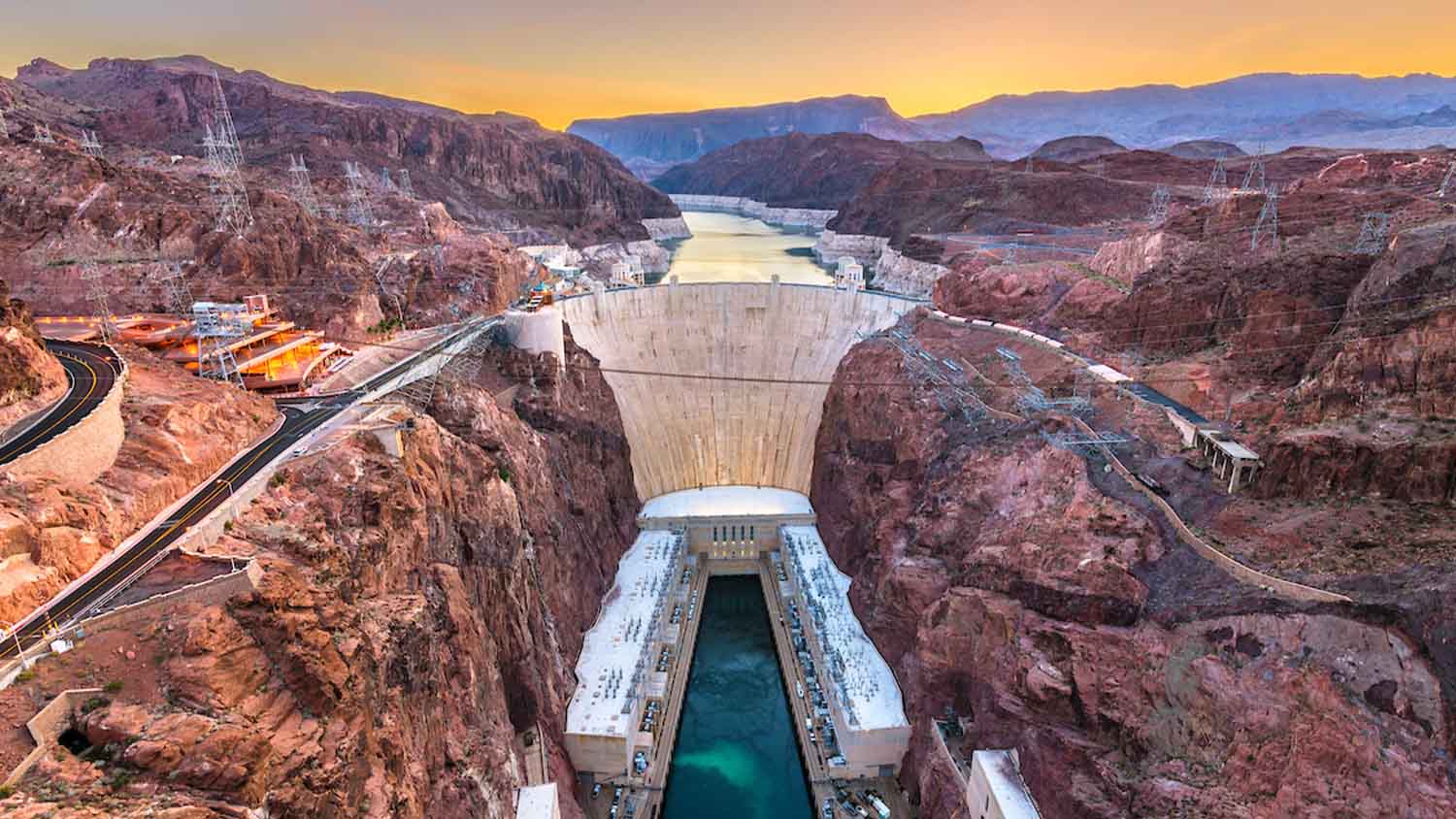
The Hoover Dam
A cornerstone of large-scale water management in the American West. Explore how engineered control of the Colorado river enables power generation, flood regulation, and water storage.
Valley of Fire State Park
Explore how intermittent water flows can shape desert geology and ecosystems.

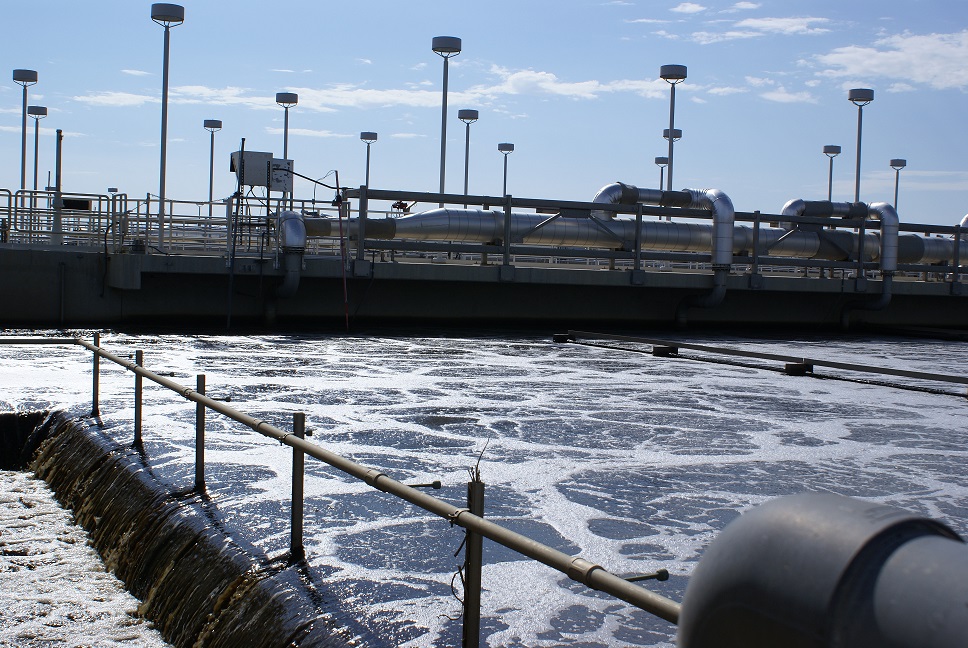
Clark County Water Reclamation District Facility
The Clark County Water Reclamation District facility demonstrates how advanced wastewater treatment and reuse can sustain growing desert communities.
Nevada Dept. of Environmental Protection
The Nevada Department of Environmental Protection plays a central role in managing the state’s scarce water resources by regulating water quality, overseeing watershed protection, and guiding sustainable use in one of the driest regions in the country.

Cost Breakdown:
| UVM Tuition UVM Winter and Spring Break courses are part of your spring tuition bill. Undergraduates pay same full-time tuition if within 12-19 credit hours total. Graduate students pay by credit hour. | Enrolled in 12-19 credits: $0 For students enrolled in more than 19 credits: Additional per credit hour above 19 (see rates) |
| Program Fee Includes accommodations, group ground transportation, activities, entrance fees, and some meals. The amount billed to you by SFS on your Spring bill reflects the program fee minus $450 (non-refundable deposit) which you will pay upon acceptance. | $4,582 |
| Total Billable Amounts (paid to UVM): | Tuition + $4,582 |
| Estimated Out of Pocket Expenses Meals not included in the program fee, supplies, ground transportation not included in the program fee. | $430 |
| Airfare Estimated from BTV to Las Vegas. If you will be departing from a different airport, your costs may be lower. Estimated with 1 carry-on bag. | $750 |
| Total paid Out of Pocket: | $1,180 |
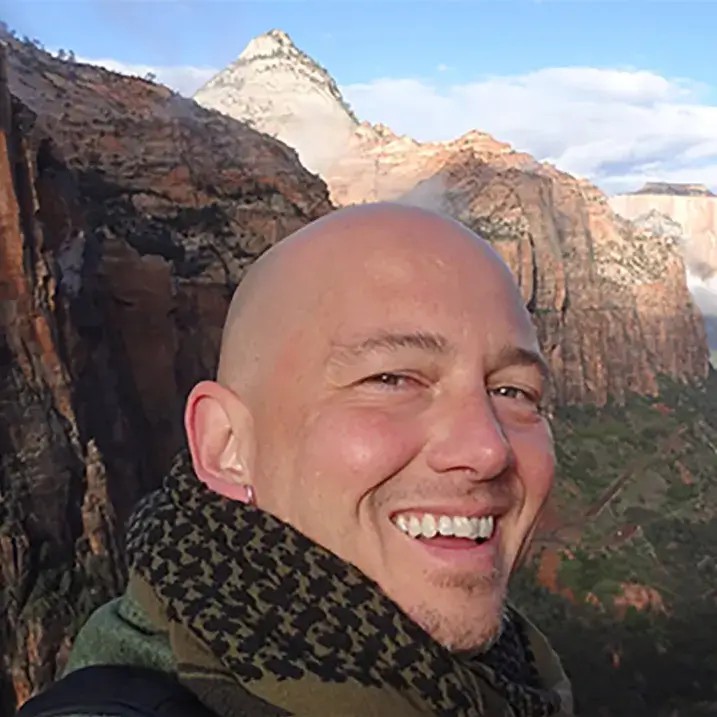
Jonathan “Doc” Bradley, Program Leader
Lecturer, Department of Political Science
Dr. Jonathan “Doc” Bradley earned his PhD and Master of Political Science at the University of Nevada, Las Vegas, 2019. He earned a Bachelor of Psychology at the University of Arkansas and a Bachelor of Religious Studies at North Carolina State University. His area of specialties are religion & politics, as well as environmental politics. His research interests are the influence of religion on conservative politics, and how various religions advocate for or against environmental issues. He has co-published on abortion attitudes in emerging democracies and political understanding of the role of religion in politics. The nickname “Doc” comes from being a medic in the US Army.
Still have questions?
Email cas.discovery@uvm.edu — our team would be happy to assist.