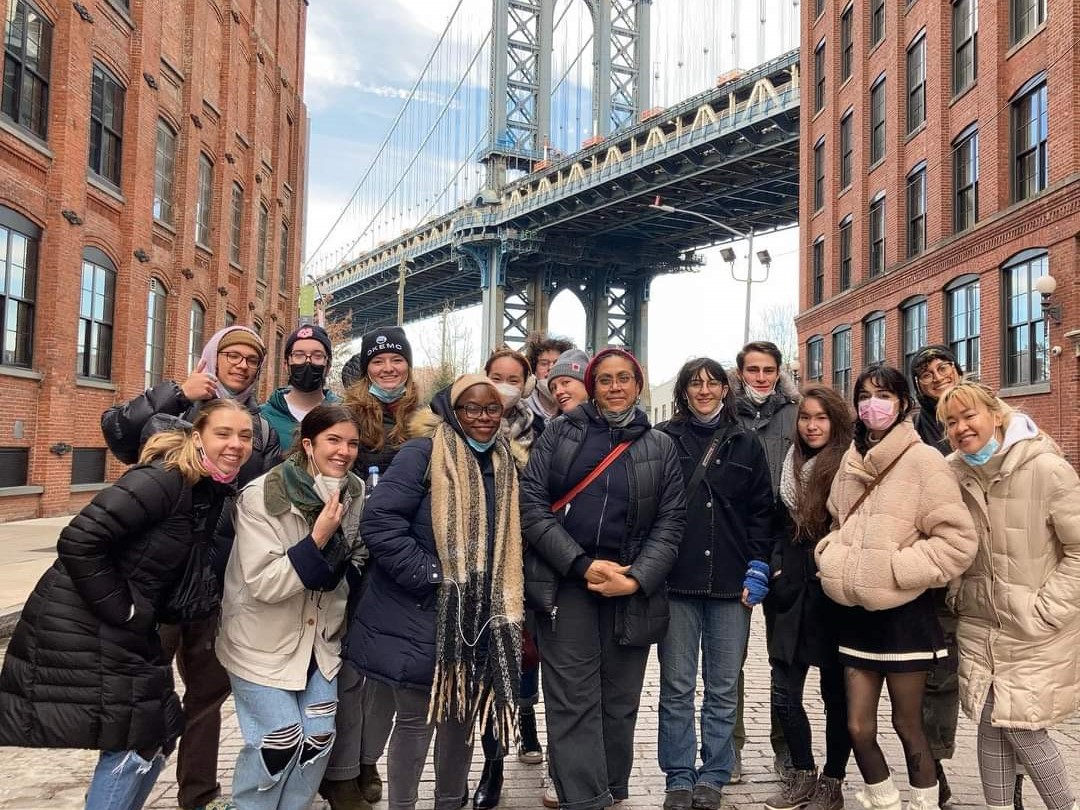
A semester-long, socially engaged experience in New York City with a focus on community, art and activism.
Students will spend a semester in New York gaining firsthand knowledge of the art world and arts in community via two courses and a 240-hour work-based learning experience at an arts organization. This program is for students that are interested in using the visual arts and the city of New York as a lens for exploring and understanding complex social issues and creative strategies for social justice. All majors welcome.
The program consists of two academic courses: the “Art and Activism” seminar, and a course focused on learning about various art institutions in New York called “City As Classroom”. In addition, students will also participate in at least 20 hours per week of hands on, community-based internship work with an arts organization in the city. In small groups, students will interact with peers, identify and leverage their strengths, and share about their internship experiences. Throughout the program, students will build a portfolio that showcases what they’ve learned and documents their professional journey.
Through this program, students are set on a path to create opportunities for themselves and to take advantage of further opportunities presented to them through the program.
Application deadline for Fall 2026 program: April 8, 2026
Did you miss the recent information sessions? You’re in luck!
Click here to access the recording!
Program Components & Courses
Arts in Action is comprised of three components — each equally important — that will make up your typical week in the program:
Art & Activism Seminar (ARTH 2870)
Taught by Mildred Beltré, Professor of Studio Art, “Art and Activism” focuses on developing an understanding of community and social justice struggle through the lens of artist interventions and the history of community activism through art. This course looks at art and activism in New York City in both a historical and contemporary context to help us develop frameworks to think about and discuss complex social issues. This focus on community arts methods and the history of community activism through art and will help place students’ internships within the thematic and political framework of the city.
Starting with a grounding of the contexts each of us bring to the classroom and city, we will consider both the historical and current state of the city and how art institutions function within it. The coursework is structured in several nodes situated within intersectional constellations of issues, tactics, and artists. Through readings we will learn about international, national, and New York-based movements, artists, and collectives.
Learning by Doing: Community Engagement (CAS 2991)
Students will work at a community organization for at least 20 hours a week (3 days) doing meaningful work in the arts world. Expect to work ~240 hours over the course of the semester. Students will be matched with one of several sites that have agreed to host UVM students. There may be several students working with each site, adding to the feeling of community this program thrives upon. While every effort will be made to match you with a site that aligns with your interests, it is essential to understand that any experience in a NYC arts organization will be helpful to you in your future career in the arts.
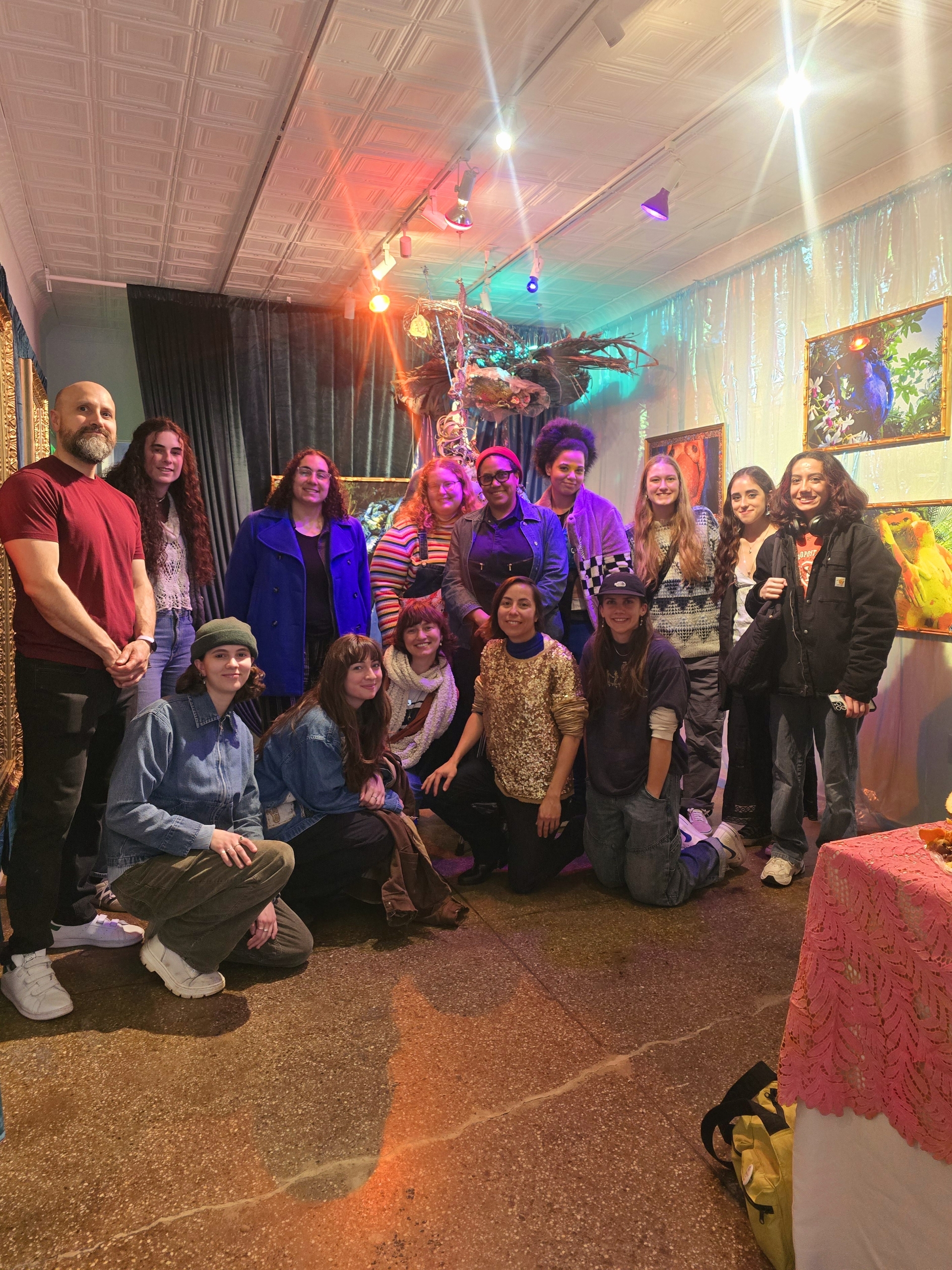
Past locations have included: the Brooklyn Museum, BRIC, Creative Time, Daniel Arsham Studio, Lower East Side Printshop, Museum of the Moving Image, Queens Museum, Franklin Furnace, Weeksville Heritage Center, Brooklyn Children’s Museum, International Studio and Curatorial Program, Whitney Museum, Creative Art Works, New York Studio School, Museum of the City of New York, Nuyorican Poets Cafe, Artyard, and New York Edge, among others.
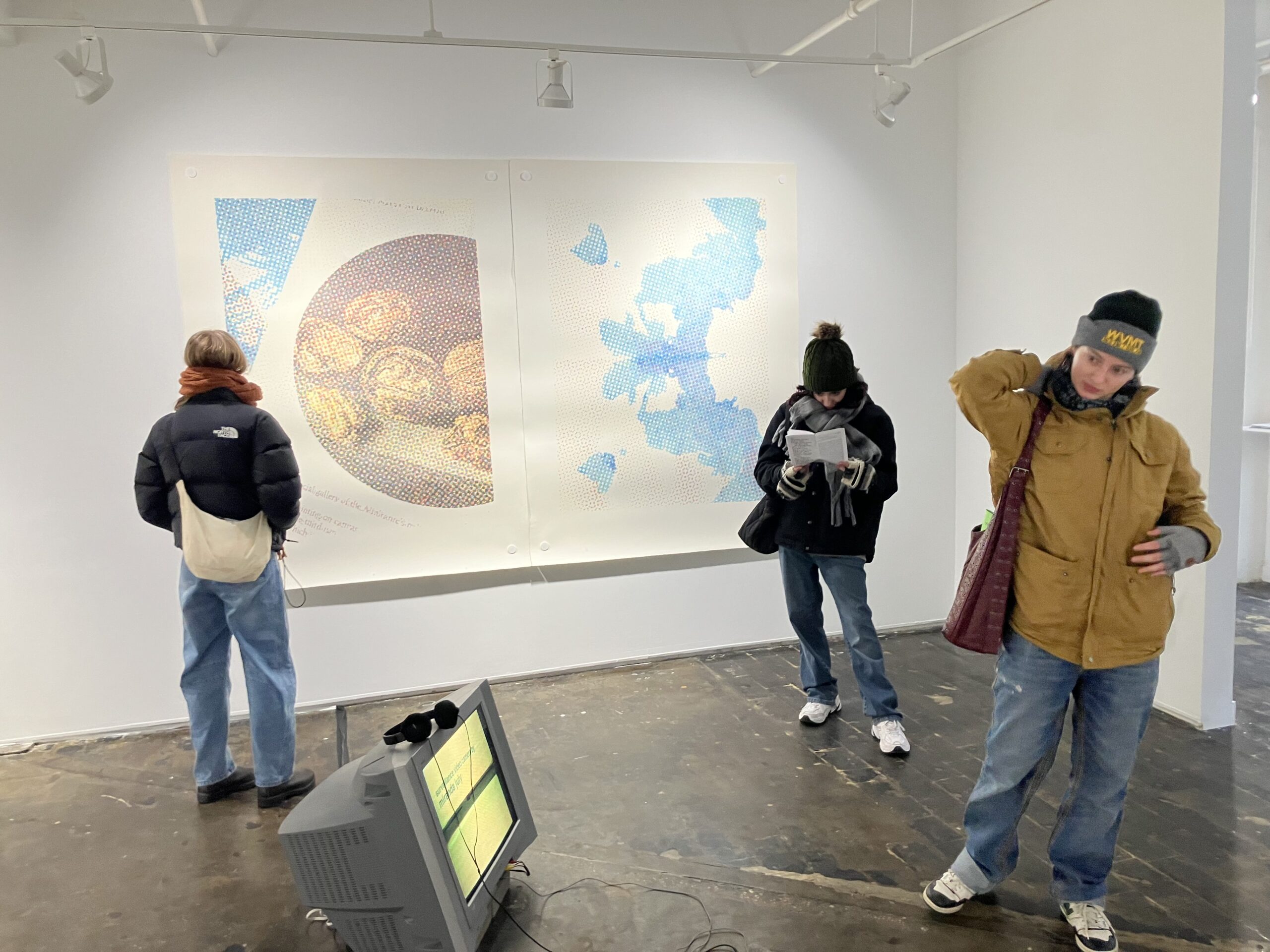
Students will gain first-hand exposure to the workings of arts institutions and various aspects of the arts. They will gain first hand knowledge of the diverse communities of New York and how communities access art through these institutions, as well as gaining a sense of how art and artists function in the world. What are the different audiences? How do artists get their work out? What resources are available to artists and arts institutions? What is their role in the city?
City as Classroom: Professional Development (CAS 1990)
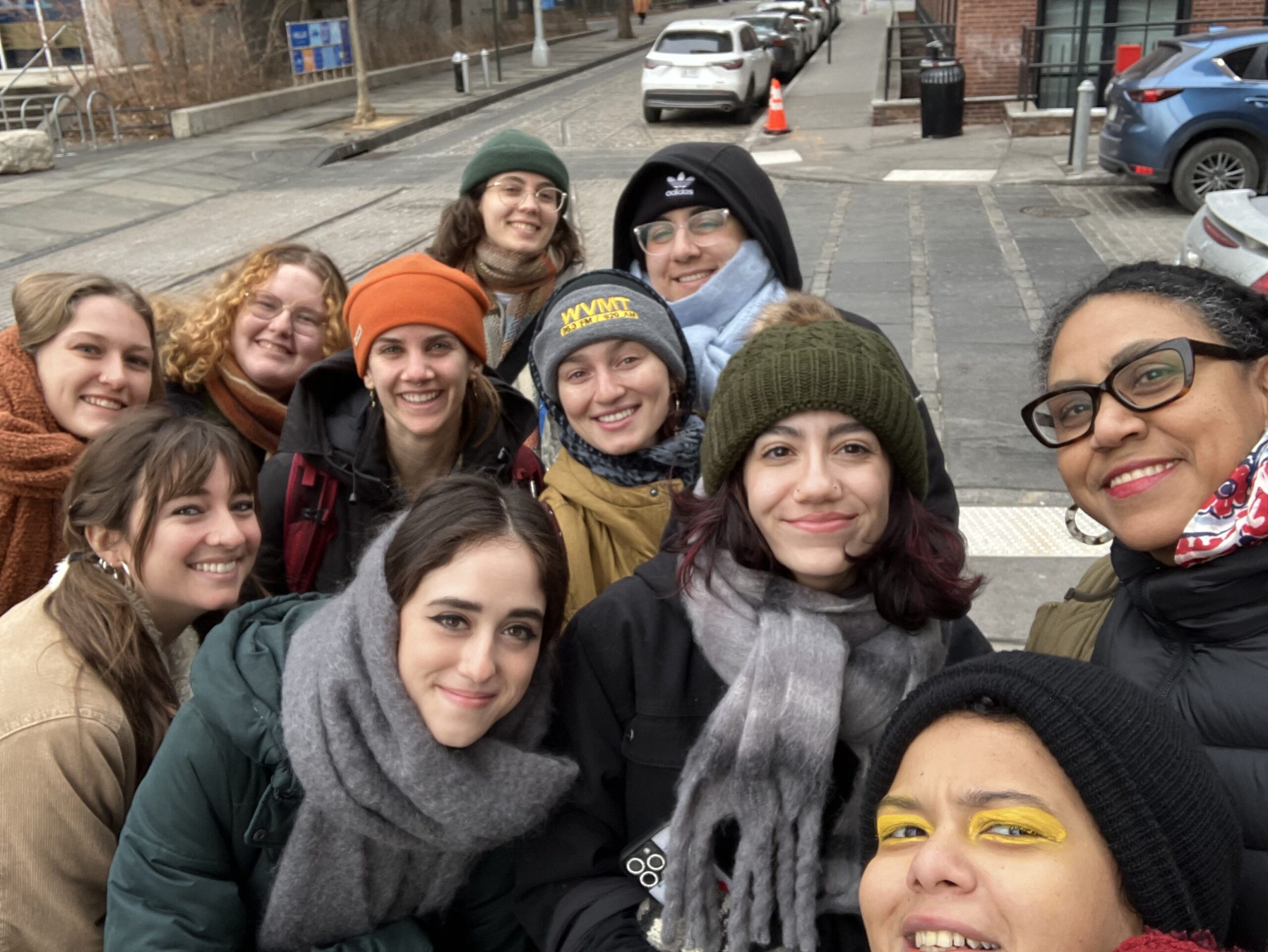
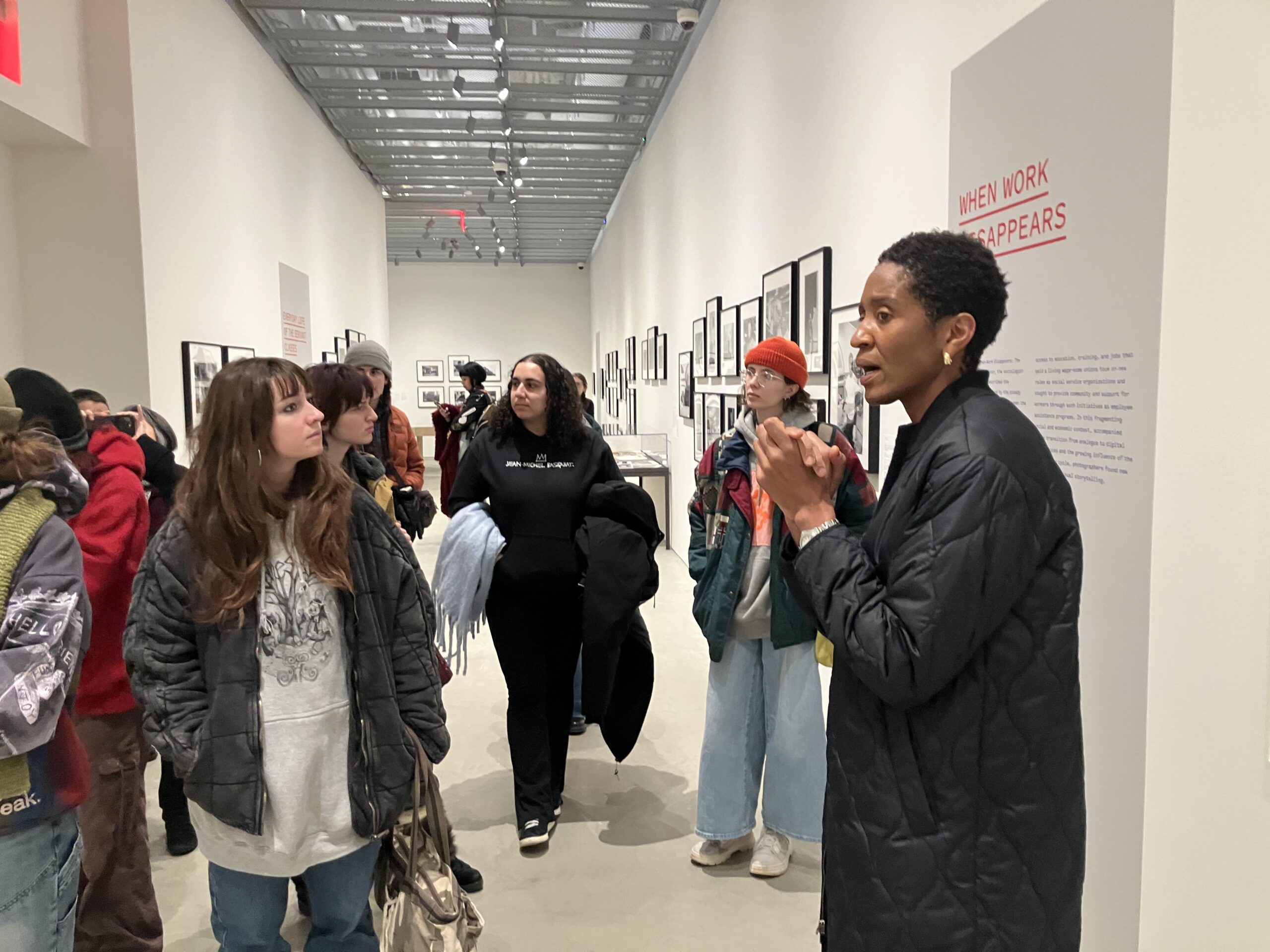
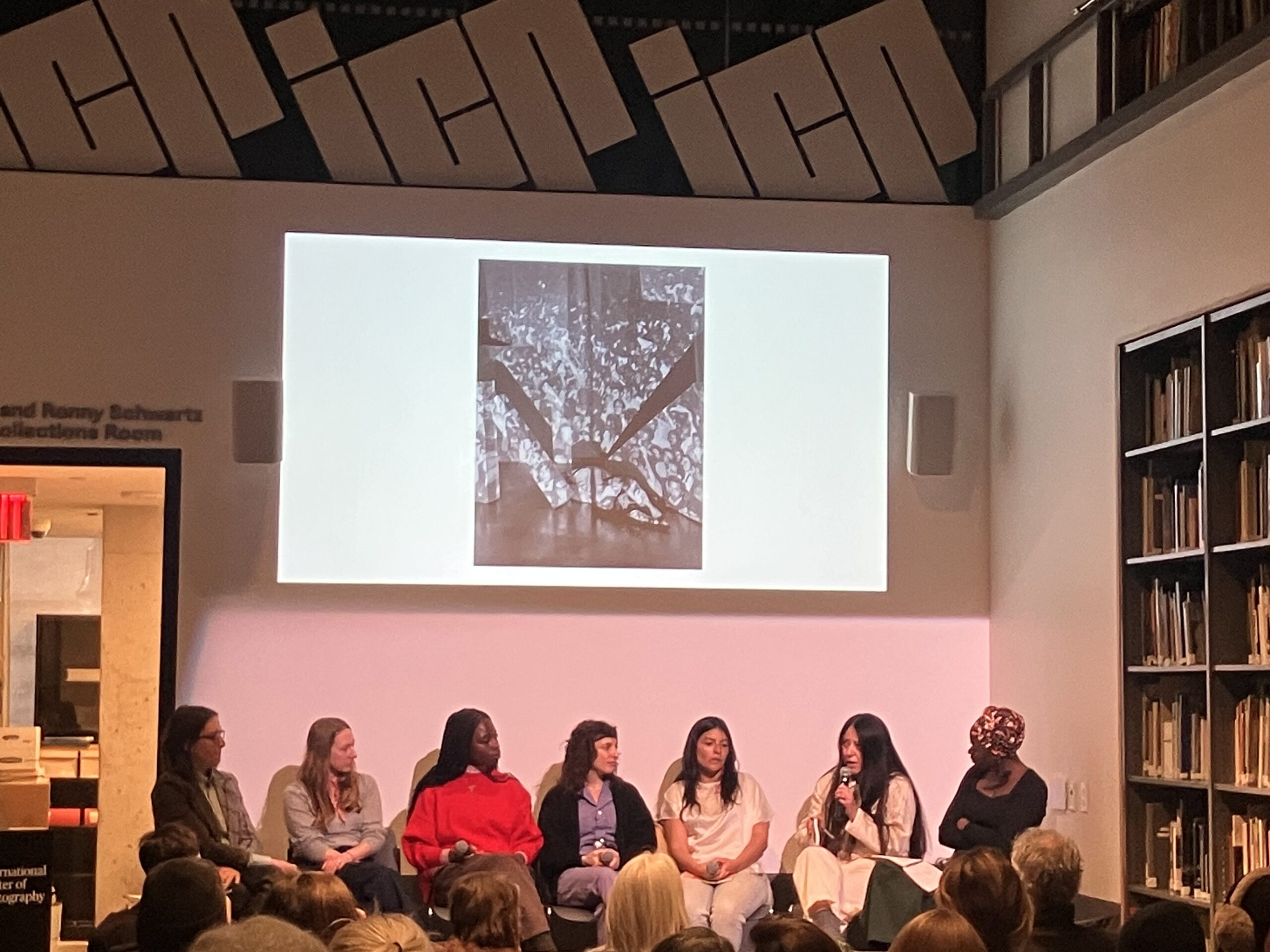
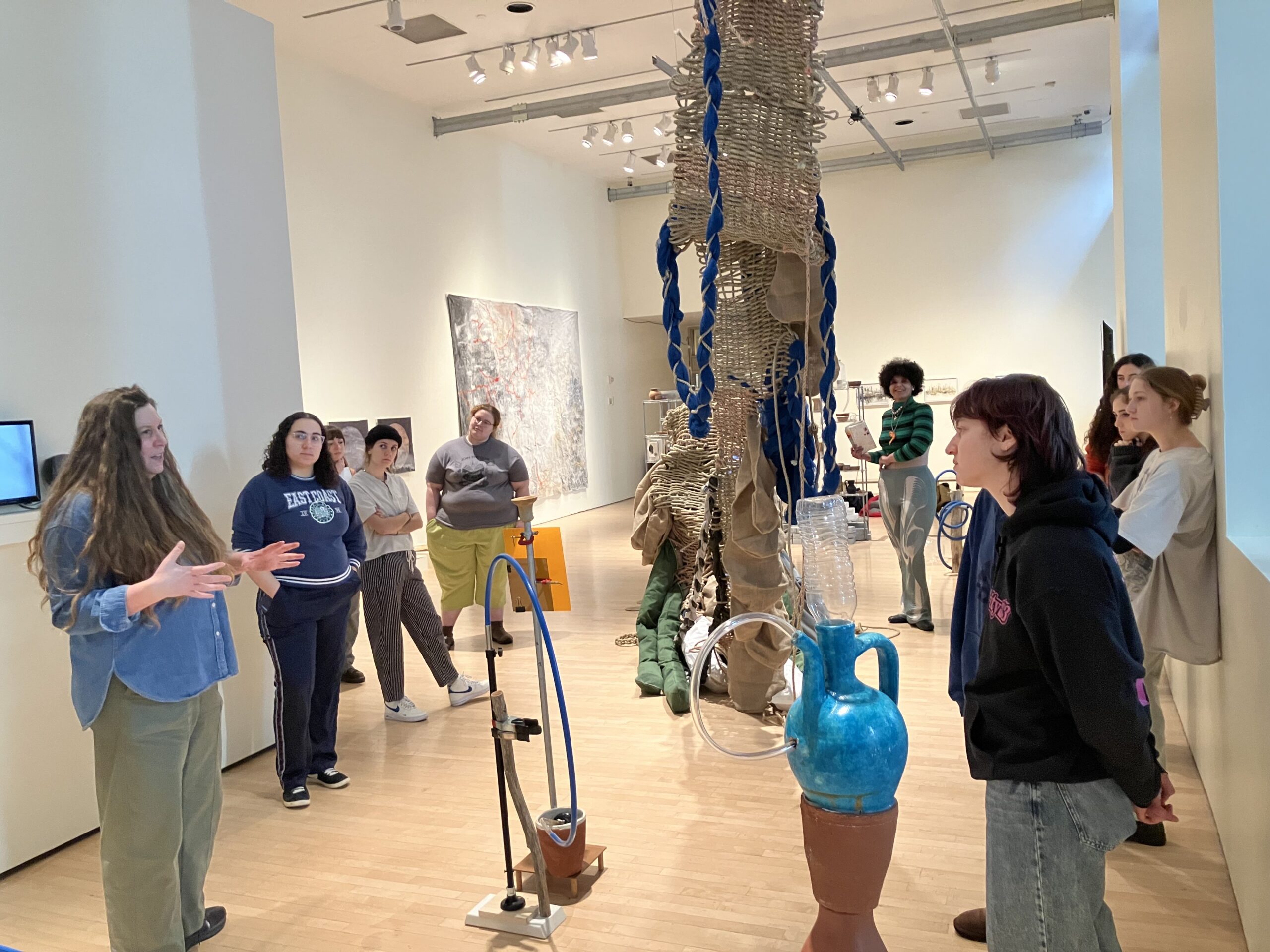
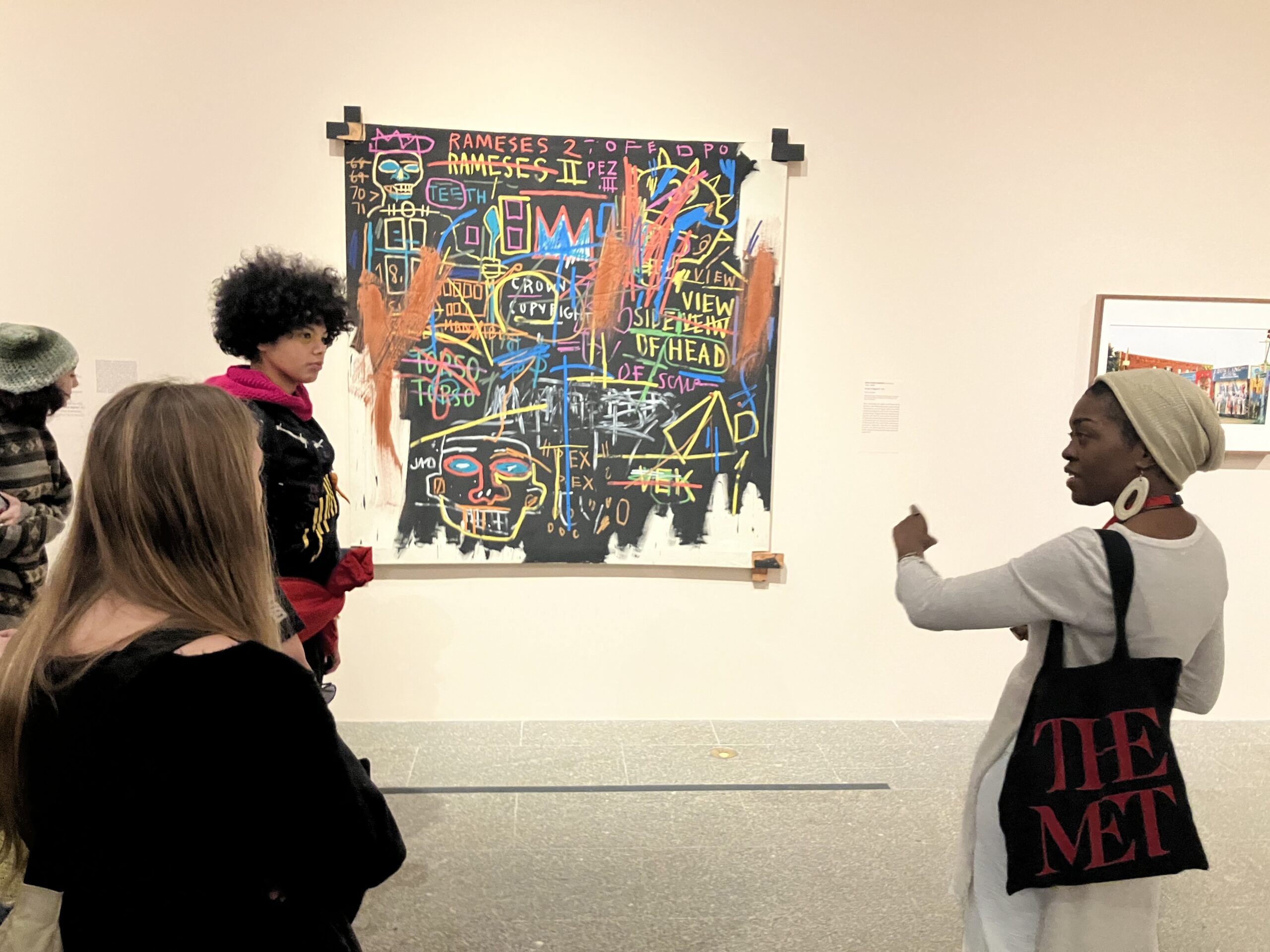
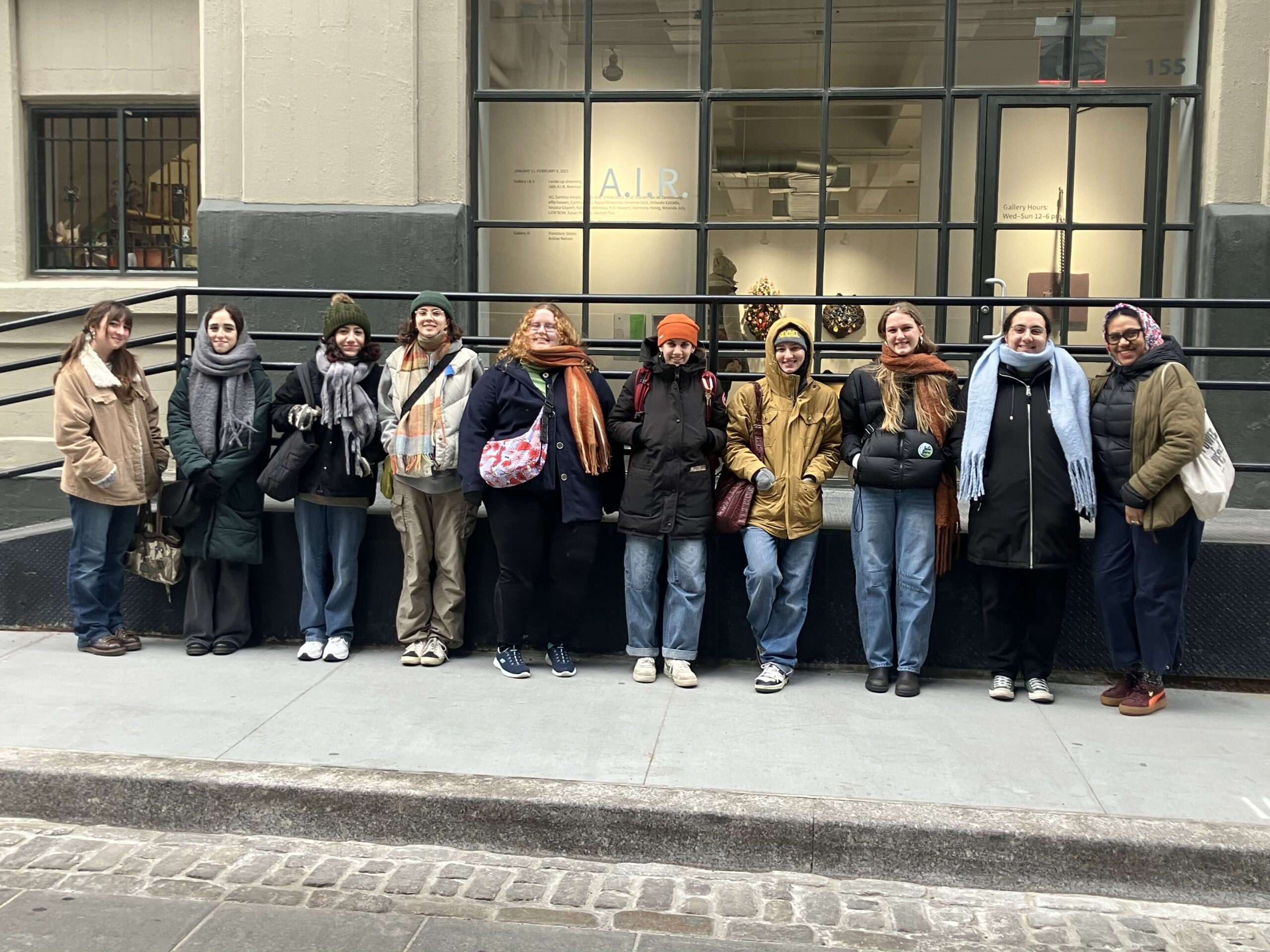
This class animates the coursework of the Art and Activism seminar. Students meet every Thursday to take a field trip to visit an arts institution or nonprofit. At each location we meet with staff who will share with us the mission of the institution, how that institution goes serves that mission and how they seem themselves in relation to the communities of New York city. Students will gain direct access to various professionals around the city to help them develop their professional identities and understand how to navigate the workplace as they get a feel for the vast array of career paths in the arts and other fields.
Perfect for any major!
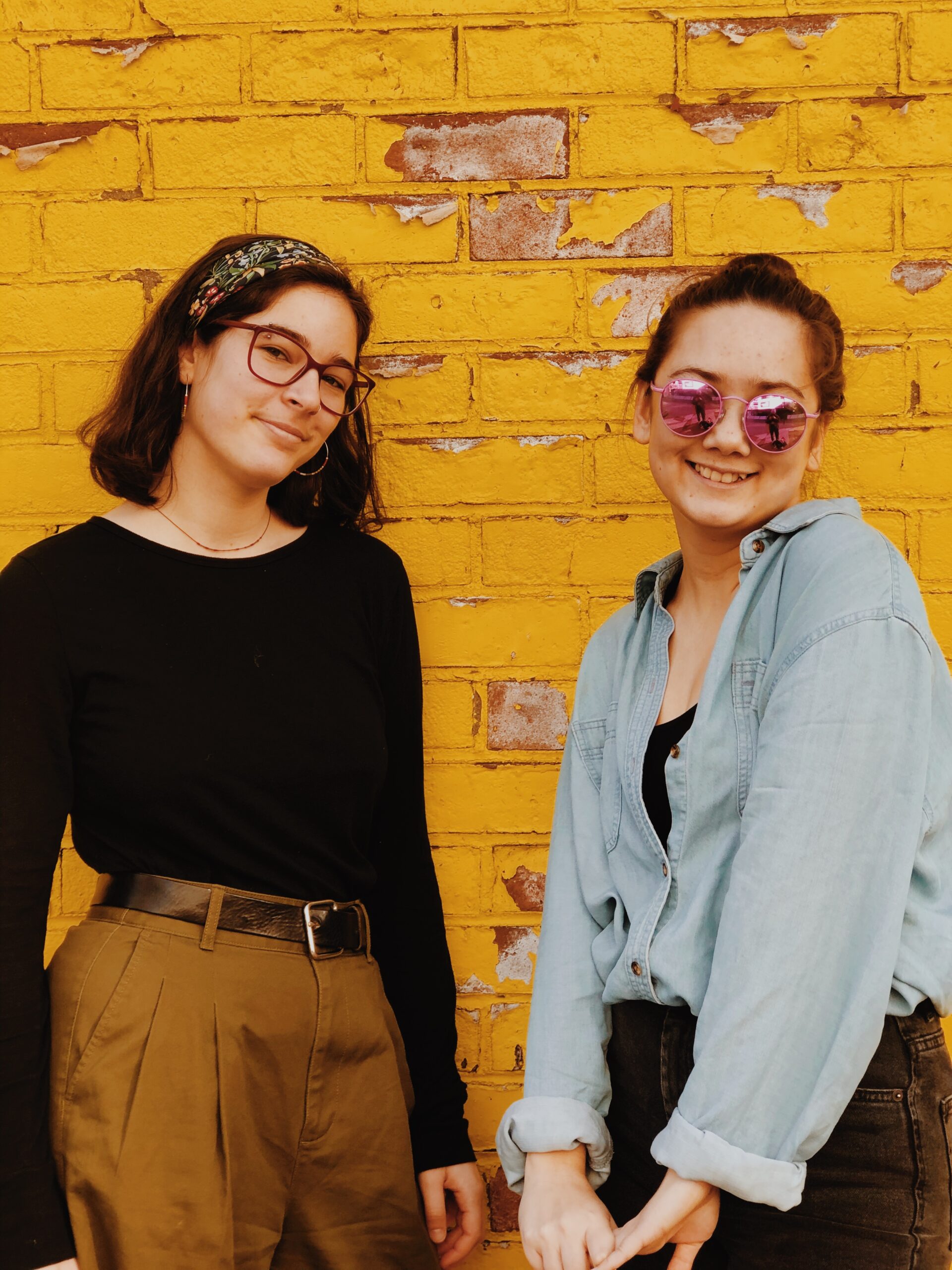
“As a linguistics and Spanish double major, I was a little concerned that I would feel out of place not only in this art oriented program, but also working in an arts institution. I quickly learned that this was far from the case, and I am so so grateful for this insightful experience, and the new perspectives and tools I have acquired. I cannot stress enough how beneficial this program is to everyone – especially those whose areas of expertise lay outside the realm of the arts. Through having students from a myriad of backgrounds, our class was truly able to grapple with complex and multifaceted issues from a multitude of lenses. I feel like a much more well-rounded, educated individual, with new passions and interests to explore further.” — Ilana Goldstein (Linguistics, Spanish, ’21)
How does it work?
Arts in Action is a UVM Travel Study program meaning that students will earn UVM credits and will remain enrolled at UVM as full-time students throughout the entire program.
Housing:
Housing will be located in St. George Towers in Brooklyn Heights. Find more information and accessibility information on the Educational Housing Services (EHS) website. Each student in the program is guaranteed a bed in a double room. Roommates will be randomly assigned with change of roommate requests being routed through the EHS team after program enrollment. Any concerns about the housing should be sent to Sophia Trigg, CAS Office of Experiential Learning & Discovery Director, who can get in touch with the EHS team prior to enrollment.
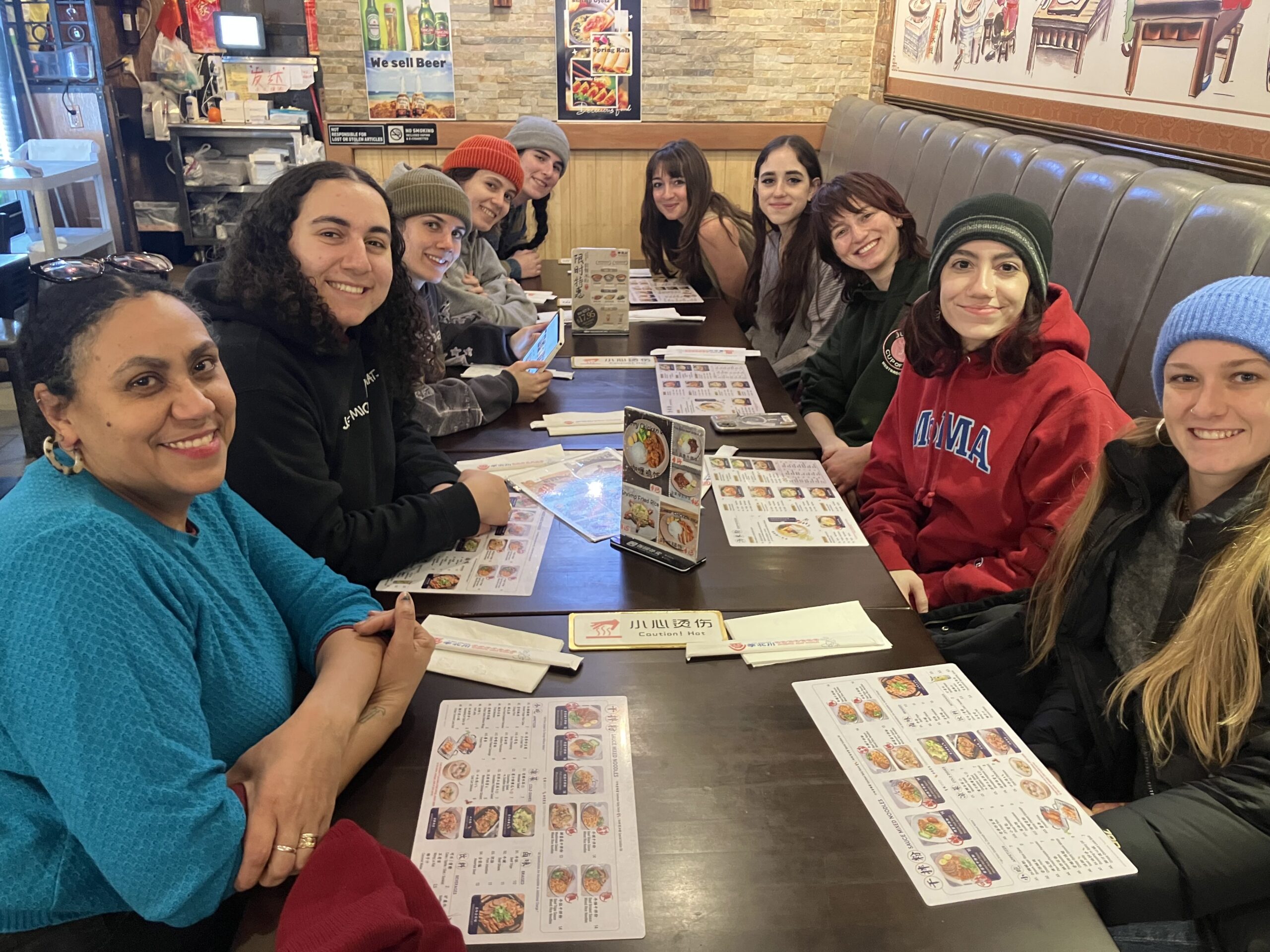
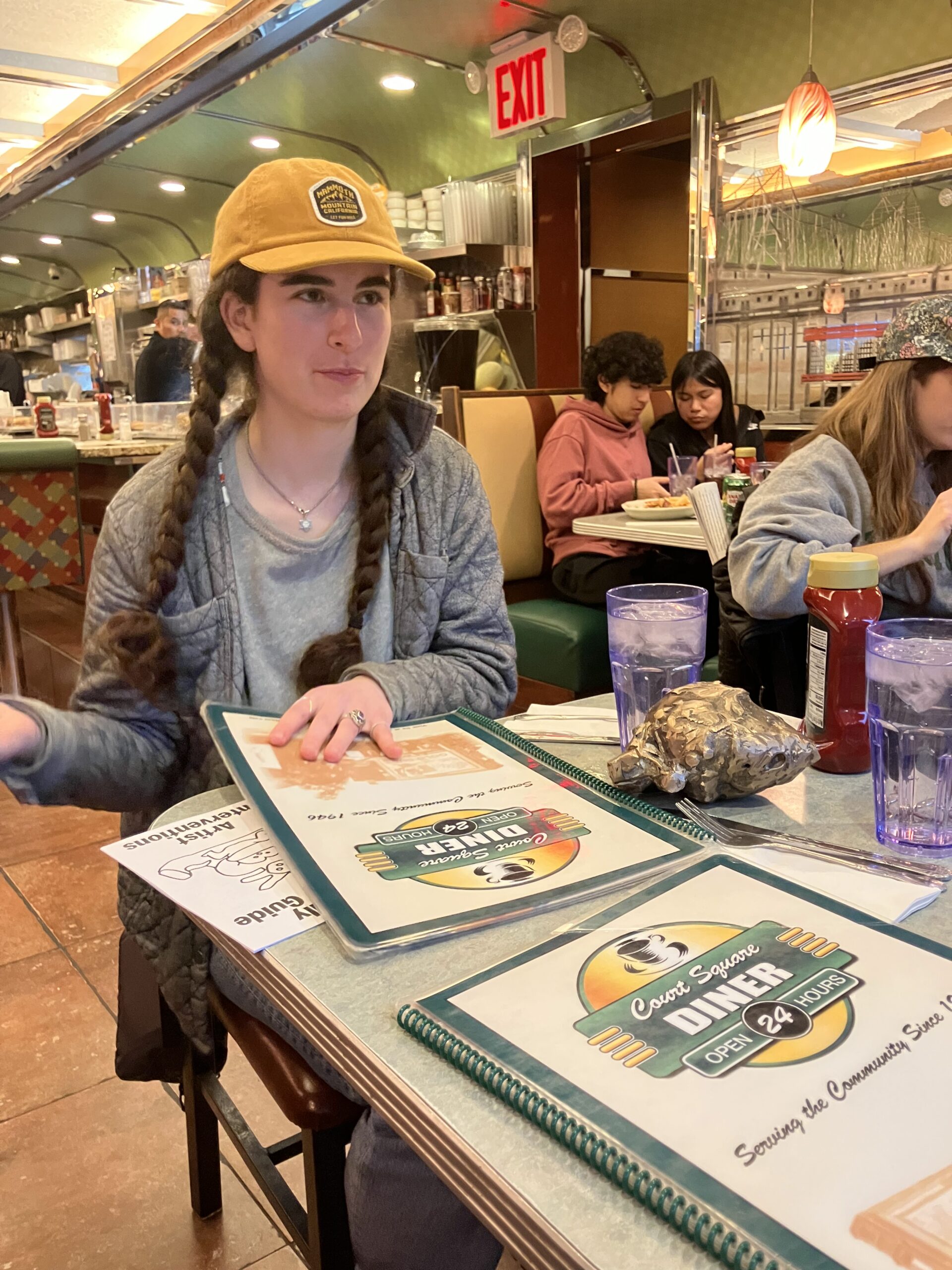
There is no meal plan associated with this program, so students will have to coordinate with their classmates to grocery shop and cook using the community kitchens at EHS. Professor Beltre will also be able to recommend budget-friendly spots around the area.
Credit:
You will receive 12 credits for this semester-long program.
- 3 credits under ARTH 2870: Art & Activism
- 6 credits under CAS 2991 for “Learning by Doing: Community Engagement.” These credits will be elective unless approved to count toward your major/minor by your department chairperson. These credits count toward graduation. Keep in mind, however, that you can only count a maximum of 12 internship credits toward graduation as per CAS internship policy. Check with your advisor if you have questions.
- 3 credits under CAS 1990 for “City as Classroom: Professional Development.” These credits will be elective unless approved to count toward your major/minor by your department chairperson.
Costs Billed through UVM:
| UVM Tuition During the Arts in Action term, students are billed full-time tuition and fees based on their residency (in-state or out-of-state), just like a regular term at UVM. Students participating in Arts in Action are considered “off-campus” students. | Vermont Residents: 2026-2027 tuition rates Out-of-State Residents: 2026-2027 tuition rates |
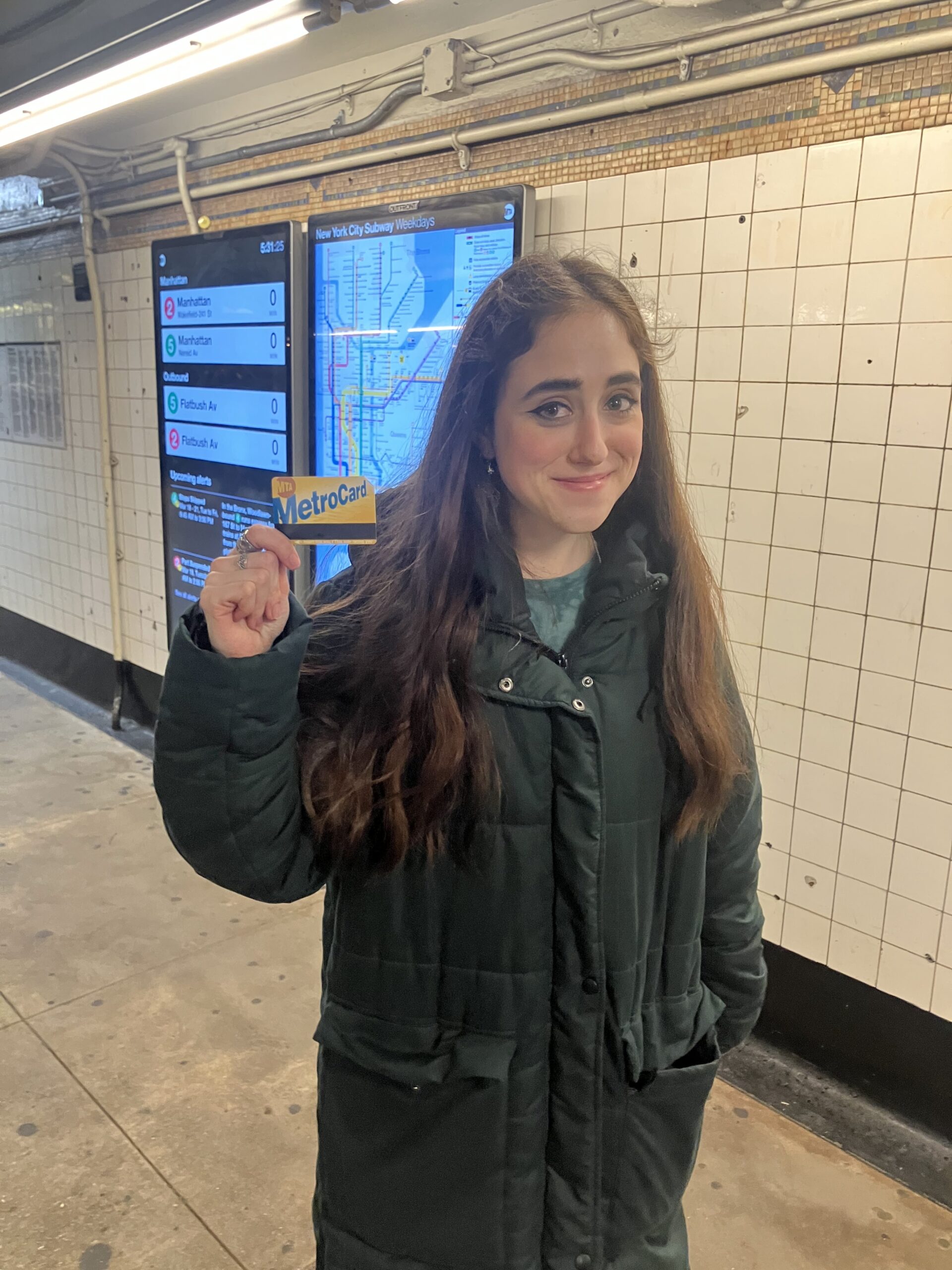
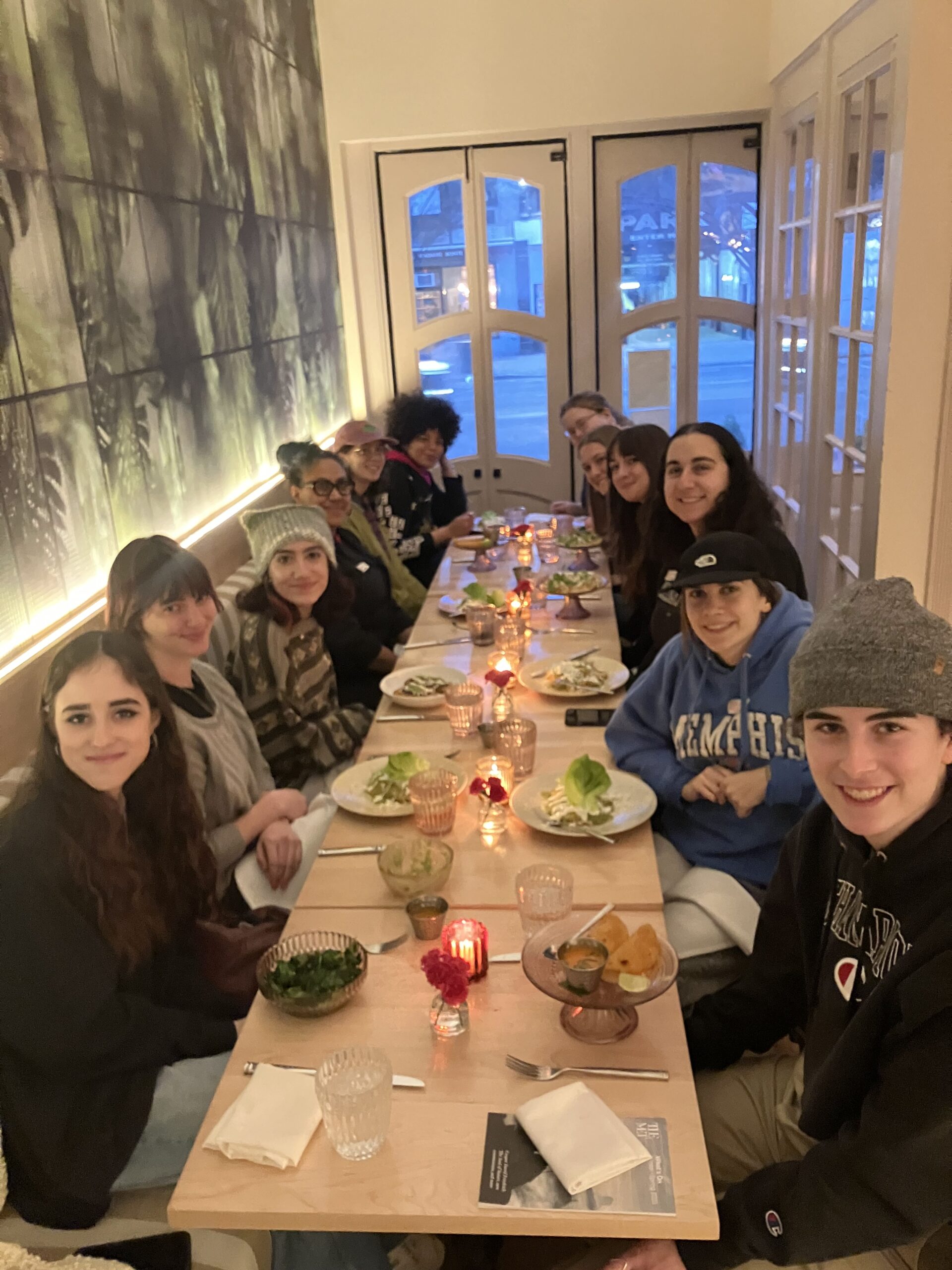
| Program Fee This fee covers housing for the semester, a metro card, and one group meal per week during class time. | All Students: $8,644 There is scholarship funding available for students who have demonstrated financial need via the Free Application for Federal Student Aid (FAFSA) to help cover the Program Fee. All students admitted to the program will be automatically considered. |
| Total Billable Amounts (paid to UVM): | UVM Tuition + $8,644 |
Estimated Out of Pocket Costs:
| Estimated NYC Food and Transportation Costs Groceries and meals not included in the program fee, supplies, ground transportation not included in the program fee. | $2,500 |
| Transportation to/from NYC Cost will vary depending on departure location and method of transportation chosen. | $300 |
| Total Estimated Out of Pocket Costs: | $2,800 |
These are costs that are paid for by the student independently during the program. Estimates based on average costs of food and transportation in New York City. Each student’s budget will be different based on personal circumstances and priorities.
Financial Aid
Federal, State and University financial aid, including need-based and merit aid, will apply for your Arts in Action term just as it would for a regular full-time term enrolled in on-campus courses. Any aid for which you are eligible will be applied against your term charges, including the Arts in Action program fee. If you are awarded any additional scholarship funding for this program, it will be incorporated into your overall aid offer for the term and applied to your charges. Since the program fee may be higher than your typical housing costs would be, you may be able to borrow additional loans to assist with the increase, if eligible. To go over your specific aid offer and the changes you may see while doing a term of Arts in Action, please contact Student Financial Services.
Eligibility Requirements
UVM students must meet the following requirements in order to participate in Arts in Action:
- At least junior standing during the semester you intend to participate. (In some rare cases we will consider a student with sophomore standing who has previous internship / professional experience or who is in their 3rd year at UVM).
- GPA above 2.5
International students who hold F-1 or J-1 visa status must seek permission from the Office of International Education in order to participate.
About the Application
The application form is designed to help you think about your reasons for applying to this program. It will ask you about yourself, your experiences, and your goals.
Resume: Your resume should list your education, previous employment, skills, volunteer experience, and any educational or leadership experience you believe has prepared you to be an intern. Try to keep it to 1-page. (Example resume)
Reference: You will need to contact a professor or other professional reference and ask if they would be willing to provide you with a recommendation. You’ll be asked to submit their name on the application form. They will be sent an auto-email asking for them to fill out a survey about your strengths as a candidate.
Students will be informed about whether or not their application was successful by April 10, 2026.
Enrollment, Cancellation, and Refund Policies
When admitted, you will pay your deposit and agree to formally register for the course (once registration is available) through MyUVM and acknowledge responsibility for all program-related tuition and fees on your student account. Tuition, plus the remaining balance of the program fee, will be assessed on your account after formally registering for the course according to the UVM Student Financial Services billing cycle.
Refunds:
- Tuition refunds follow the UVM tuition refund schedule.
- Program fees are refundable through the end of the add/drop period or the day programming begins, whichever comes earlier. Airfare or other transportation refunds must be pursued directly with the vendor.
- Deposits are not refundable as they are used towards program costs incurred by UVM prior to the start of the program.
- For disciplinary reasons, a student may be sent home at his/her own expense, without any refund.
For more information, see Student Financial Service’s refund webpage.
If UVM cancels the program due to insufficient enrollment, health and safety, or for any other reason, students will receive a full refund of course-related tuition and fees, including the full program fee and deposit (minus 2.85% credit card processing fee).
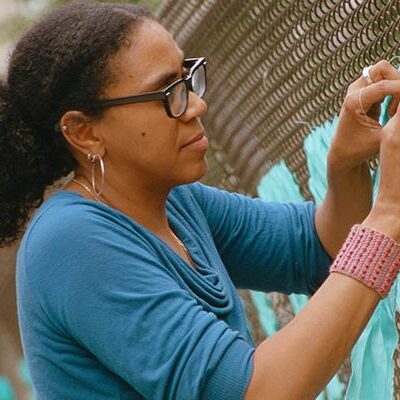
Mildred Beltre, Arts in Action Faculty Director and Professor of Art
Brooklyn-based artist, educator, and community organizer Mildred Beltré’s work focuses on facets of social change through print, drawing, and a politically-engaged participatory practice. She is interested in political movements and how they intersect with and are enacted in the social.
Professor Beltré joined the UVM faculty in 2008 and leads the Arts in Action program, a semester long program in New York City focused on Art and activism.
Frequently Asked Questions:
Can I get a part-time job while doing this program?
Many students ask if they can get a job on top of their internship–which may be unpaid. The short answer is yes, although juggling a 3-4 day internship, two courses, and a part-time job can be difficult. If you have a work-study award, you might want to look for a remote position based at UVM that you can do while you are in New York.
What if I have already done an internship for credit?
If you are in CAS and have already taken 7 or more credits of internship credit, then some of the internship credits for this program will not count for you. CAS has a maximum of 12 internship credits. If you have questions about this, please get in touch with Kelly Bureau.
What does “normal tuition” mean?
“Normal tuition” means the normal amount you pay for a UVM semester. This will of course be slightly different for each student which is why we do not name a sticker price here. You will remain a full-time student. Please get in touch with SFS if you are unsure what your financial aid package includes.
A UVM College of Arts & Sciences collaboration with:
Still have questions?
Email cas.discovery@uvm.edu — our team would be happy to assist.